Book flights to Baltra Island

bbb
We are proud to be a BBB® Accredited Business

Explore the best deals

Discover the cheapest flights to Baltra Island

Filter by
The prices shown on this page were available within the last 20 days for the specified periods and should not be considered the final price offered. Please note that availability and prices are subject to change.

Popular flight routes to Baltra Island
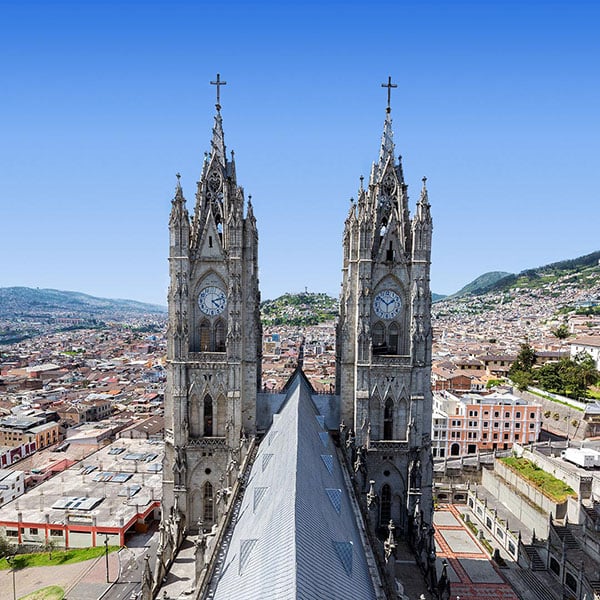
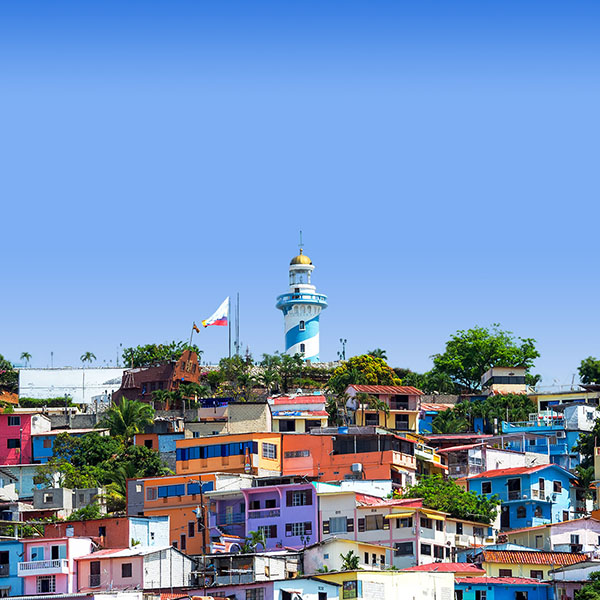
Quito
Flights from Quitoto Baltra Island
244$
224$
Prime price per passenger
Guayaquil
Flights from Guayaquilto Baltra Island
208$
189$
Prime price per passenger
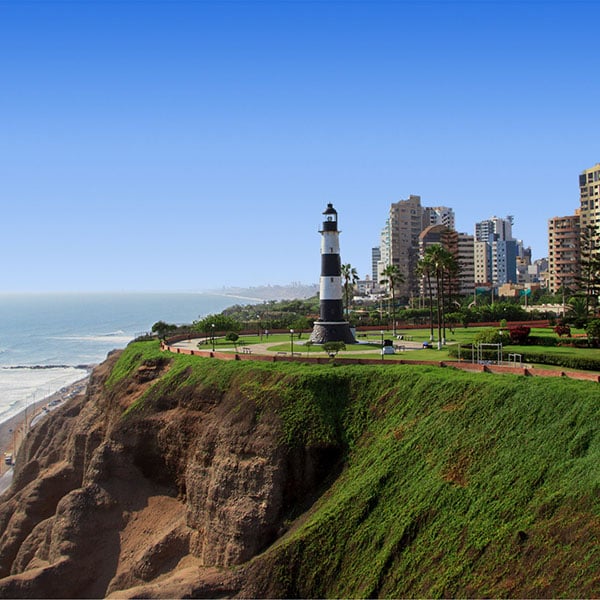
Lima
Flights from Limato Baltra Island
382$
363$
Prime price per passenger
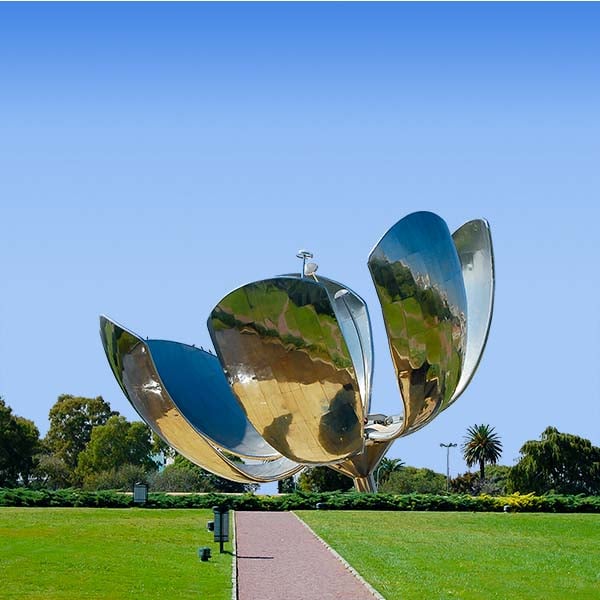
Buenos Aires
Flights from Buenos Airesto Baltra Island
507$
482$
Prime price per passenger

How long is the flight to Baltra Island?

If you’re planning to fly to Baltra Island, we at eDreams have looked at the most popular routes to help you plan your trip. From Toronto, the flight is about 11h 1m; from Montreal, around 11h 2m; and from Vancouver, roughly 16h 44m.
Flight Time (in hours)
TorontoMontrealVancouver
0h 5h 10h 15h 20h
11h 1m
11h 2m
16h 44m

How much does a flight to Baltra Island cost?

At eDreams you can find flights from Toronto to Baltra Island starting from $765, with an average price of $944. If you depart from other cities such as Montreal, you can find tickets from $852, and from Vancouver starting from $1,144, according to data from the last 72 hours.
Filter by
TorontoMontrealVancouverCalgaryOttawa
$944
$987
$1,261
$1,403
$1,728
TorontoCheapest
Cheapest Price: $765
Cheapest
Average

Find cheap flights to Baltra Island

Galápagos Islands are a volcanic archipelago in the Pacific Ocean, situated roughly 1,000 km from the mainland. This remote destination is a living laboratory for evolution, where most visitors arrive by air to begin a journey through one of the most protected ecological systems on the planet.

The islands host several distinct sites of interest, including the Charles Darwin Research Station on Santa Cruz Island, which is a centre for tortoise conservation. Travellers often explore the volcanic landscapes of Sierra Negra or the red sands of Rabida Island. In the coastal town of Puerto Ayora, the local culture revolves around maritime history and the preservation of the surrounding marine reserve.

A flight to this archipelago leads to an encounter with an environment where wildlife, such as marine iguanas and blue-footed boobies, has little fear of humans. The atmosphere is defined by a commitment to conservation and scientific discovery. Visitors find a destination where the pace of life follows the natural rhythms of the sea and the unique species that inhabit the islands.

Best time to fly to Baltra Island: peak and off-peak times

Galapagos Islands in the warm season

Galapagos Islands experiences its warm season from December to May, characterized by sunny skies and occasional tropical downpours. During this period, ocean temperatures rise, creating a tranquil environment for snorkelling and swimming. Visitors arriving at Seymour Airport on Baltra Island are greeted by a humid, lush landscape as the rains turn the volcanic terrain green. The air is warm, often reaching 30°C, which encourages a relaxed pace of life focused on the water.

This season is a bustling time for local wildlife and social activity. Land birds and iguanas begin their nesting rituals, while sea turtles frequently visit the beaches to lay eggs. The atmosphere is lively, especially during Carnival and Easter, when local communities gather for festivities. The calm seas make boat travel between the islands smooth, allowing for easy access to remote sites like Gardner Bay or Tortuga Bay.

Galapagos Islands in the cool season

The cool season, occurring from June to November, brings the Humboldt Current and the famous garúa mist. Temperatures remain comfortable, averaging 22°C, though the skies are often overcast. This shift creates a dramatic aesthetic across the archipelago, with the highlands of Santa Cruz often shrouded in clouds. When travellers touch down, they notice a cooler breeze and a more rugged, atmospheric environment that defines the islands' wilder side.

Life in the islands follows the rhythm of the nutrient-rich waters during these months. The colder currents attract an abundance of marine life, including pods of whales and playful sea lion pups. This is the peak time for birdwatchers to observe the courtship dance of the Blue-footed Booby or the nesting of Waved Albatrosses on Espanola Island. The social pace is quieter and more contemplative, suited for those looking to explore the volcanic trails and observe the unique biodiversity in a more peaceful setting.

Airports in Baltra Island

Visiting this volcanic archipelago requires careful planning, as the two primary gateways are located on separate islands, each that serve distinct regions of the province. Most travellers arrive on a flight to Galapagos Islands from mainland Ecuador, typically departing from Quito or Guayaquil to reach these protected environments.

Seymour Airport (Baltra Airport) - GPS

Seymour Airport, identified by the IATA code GPS, is located on Baltra Island and is the primary hub for visitors heading to the central and northern parts of the archipelago. It is notable for being the first ecological airport in the world, utilizing wind and solar energy to power its operations. The facility serves domestic routes operated by carriers such as LATAM Ecuador and Avianca Ecuador, is the main entry point for those staying in the largest town of the islands.

To reach the main urban centre of Puerto Ayora on Santa Cruz Island, you must first take a short shuttle bus from the terminal to the Itabaca Channel. From there, a small ferry crosses the water to the northern tip of Santa Cruz Island in about 10 minutes. Once across, you can complete the journey to Puerto Ayora via a public bus or a taxi, which typically takes 45 to 60 minutes to reach the town centre.

San Cristóbal Airport - SCY

San Cristóbal Airport, or SCY, is situated on the edge of Puerto Baquerizo Moreno, the capital of the province, on San Cristóbal Island. This airport is a convenient choice for those looking for flights to Galapagos Islands that provide immediate access to town without lengthy transfers. It primarily handles narrow-body aircraft coming from the mainland and has a single terminal that manages both arrivals and departures efficiently.

Getting to the heart of the city from this airport is exceptionally straightforward due to its proximity to the urban area. You can reach the Malecón or the central lodging districts of Puerto Baquerizo Moreno in less than 5 minutes by taxi. Because the airport is located only about 1 km from the town centre, some travellers with light luggage choose to walk, reaching the main piers and waterfront in approximately 15 minutes.

Top things to see and do in Baltra Island

Stepping off the plane onto the volcanic soil of the Galapagos Islands, travellers immediately notice a shift in the air and a landscape that feels unchanged by time. This remote archipelago greets arrivals with a sense of prehistoric wonder, where the lack of fear in the local wildlife suggests a world governed by different rules.

Tortuga Bay
This expanse of white sand on Santa Cruz Island has a path lined with prickly pear cacti that leads to turquoise waters where marine iguanas sun themselves on black lava rocks. The beach is a quiet sanctuary for sea turtles and a tranquil spot to observe the slow, rhythmic pace of island life.

Kicker Rock
Rising nearly 150 metres from the Pacific Ocean, this towering volcanic tuff cone is a landmark for those exploring the waters near San Cristobal Island. The narrow channel between the rocks is a dramatic corridor for snorkelling alongside hammerhead sharks and spotted eagle rays in the deep blue currents.

Charles Darwin Research Station
This centre is the heart of local conservation efforts, offering a close look at the giant tortoises that give the islands their name. Walking through the shaded grounds allows visitors to understand the delicate balance of the ecosystem and the history of the legendary creatures that inspired modern evolutionary theory.

Punta Espinoza
Located on Fernandina Island, this site has one of the most raw and untouched atmospheres in the archipelago due to its recent volcanic activity. Hundreds of marine iguanas cluster together on the dark basalt, while flightless cormorants dry their stunted wings near the shoreline.

Post Office Bay
A tradition started by 18th-century whalers continues at this wooden barrel on Floreana Island, where travellers leave postcards for others to hand-deliver. It is a charming piece of living history that connects modern explorers to the maritime heritage of the Pacific.

Gardner Bay
The shores of Espanola Island are often crowded with colonies of sea lions that lounge across the soft coral sand. The bay is a picturesque location for swimming in clear shallows where inquisitive pups often approach snorkellers with playful curiosity.

Start planning your trip to Baltra Island

Few feelings compare to boarding a plane knowing the Galapagos Islands await you. To secure the best value for your air travel, consider booking your journey well in advance and staying flexible with your arrival dates. Frequent explorers can also enjoy additional benefits through eDreams Prime, making it even easier to focus on the discovery and wonder that defines this legendary destination.

FAQs about Baltra Island flights

What's the best way to search for low-cost flights to Baltra Island using eDreams?
We can help you find flights to Baltra Island for as little as $ 164. Our smart technology scours thousands of flight options to create great offers, ensuring you can find the ideal flight for your needs and budget. With eDreams, finding the perfect flight for your trip is simple and straightforward.
When is the ideal time of year to visit Baltra Island?
According to our flight data, the most popular month for traveling to Baltra Island is March.
Another good time to fly to Baltra Island is in February, which is the second most popular month for travelers.
Lastly, April is the third most-visited month for flights to Baltra Island.
For a more relaxed trip with fewer crowds, consider flying to Baltra Island in November. This is the month with the lowest demand for flights, ensuring a more tranquil atmosphere.
What are the cheapest airlines for flying to Baltra Island?

Our analysis of customer bookings for flights to Baltra Island shows that these budget airlines are among the best for finding affordable fares:

  • The average one-way ticket with Air Transat is $1,653.22. You can fly from Toronto to Baltra Island for about $1,588.93, or from Calgary for a fare of $1,814.96.
  • Ranking third for affordable one-way flights, Delta Air Lines offers an average ticket price of $1,936.97. You can expect to pay about $1,936.97 for a flight from Vancouver to Baltra Island, and around $2,227.35 for a flight from Montreal.
Which airlines operate flights to Baltra Island?

The following airlines offer non-stop flights to Baltra Island:

  • You can fly directly to Baltra Island with LATAM Airlines from Quito and Guayaquil. They also have direct service from Cuenca.
  • You can get a direct flight to Baltra Island with Avianca from San Cristobal Island, Guayaquil, and Cuenca. This airline provides easy and convenient service from these popular locations.

You can also consider these airlines for flights to Baltra Island with one or more stops:

  • You can fly to Baltra Island with Avianca from a number of cities, including Toronto, Montreal, and Buenos Aires.
  • You can find flights to Baltra Island with LATAM Airlines departing from Quito, Toronto, and Bogota.
How is the climate in Baltra Island?
For a warm and sunny trip, visit Baltra Island in March, February, or April. The average temperature during this time is 30º, and you can expect a daily average of 24 hours of sunshine. If you prefer cooler temperatures, the ideal months for your trip are August, September, and October, when the average temperature is 20º. To stay dry, avoid traveling to Baltra Island during the rainy months of February, March, and April, which see an average of 103mm of precipitation. Instead, the driest months are September, August, and October, with only 9mm of rainfall on average.

Plan your trip

Popular CitiesPopular Flight RoutesAlternate routes