eDreams is now available in the following countries:
Europe

Asia
Oceania
America
Africa
Or you can visit ourglobal site
Flights to Cebu
Flights
Hotels
Flight + Hotel
Car rental
Date
Date
1

We are proud to be a BBB® Accredited Business
Explore the best deals
Discover the cheapest flights to Cebu
Filter by
Fri, Jun 26 - Sun, Jun 28

CebgoDirect
Bacolod - Cebu
CebgoDirect
Cebu - Bacolod
49$
47$
Fri, Jun 12 - Mon, Jun 15

Cebu AirDirect
Davao - Cebu

AirAsia ZestDirect
Cebu - Davao
59$
Tue, Jun 2 - Sat, Jun 6

Sunlight AirDirect
Manila - Cebu
Sunlight AirDirect
Cebu - Manila
-14 % Prime price per passenger
83$
72$
Sun, May 10 - Wed, May 13
AirAsia ZestDirect
Manila - Cebu

Philippine AirlinesDirect
Cebu - Manila
94$
91$
Sun, May 17 - Tue, May 19
Cebu AirDirect
Manila - Cebu
AirAsia ZestDirect
Cebu - Manila
107$
103$
Tue, Apr 21 - Wed, Apr 22
AirAsia ZestDirect
Davao - Cebu
AirAsia ZestDirect
Cebu - Davao
116$
107$
Sun, Jun 14
AirAsia ZestDirect
Manila - Cebu
74$
69$
Sat, Jun 27
Sunlight AirDirect
Del Carmen Siargao - Cebu
84$
79$
Sat, May 16
AirAsia ZestDirect
Manila - Cebu
111$
105$
Thu, Apr 30
AirAsia ZestDirect
Manila - Cebu
127$
121$
Sun, May 31
AirAsia Zest1 stop
Iloilo - Cebu
136$
129$
Tue, May 12

Scoot1 stop
Bangkok - Cebu
-15 % Prime price per passenger
194$
165$
The prices shown on this page were available within the last 20 days for the specified periods and should not be considered the final price offered. Please note that availability and prices are subject to change.
Popular flight routes to Cebu

Flights from Torontoto CebuPrime price per passenger
1186$
1144$

Flights from Montrealto CebuPrime price per passenger
908$
873$

Flights from Calgaryto CebuPrime price per passenger
1196$
1153$

Flights from Edmontonto CebuPrime price per passenger
1050$
1007$
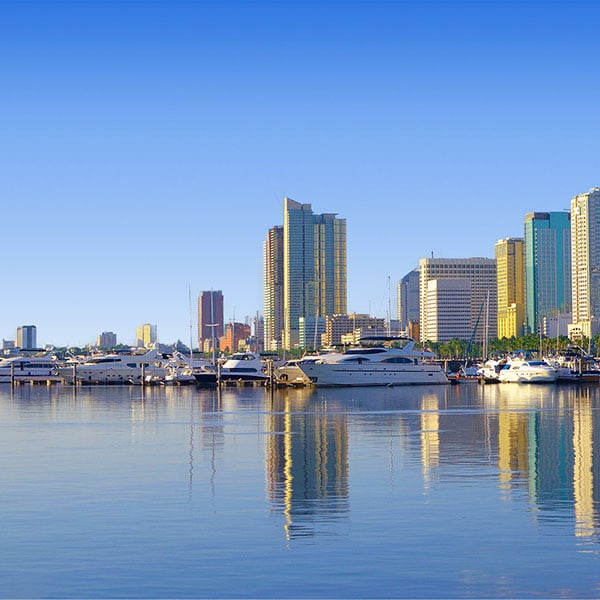
Flights from Manilato Cebu
-14 % Prime price per passenger
144$
124$
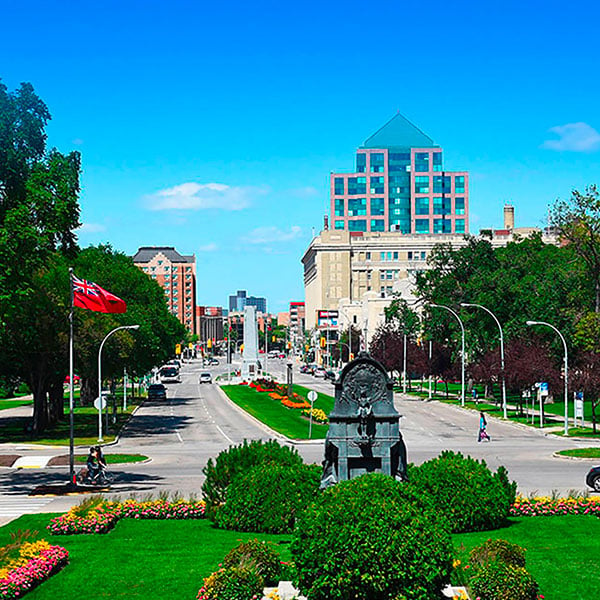
Flights from Winnipegto CebuPrime price per passenger
771$
740$
















How long is the flight to Cebu?
If you’re planning to fly to Cebu, we at eDreams have looked at the most popular routes to help you plan your trip. From Vancouver, the flight is about 16h 6m; from Edmonton, around 17h 58m; and from Calgary, roughly 18h 29m.Flight Time (in hours)
VancouverEdmontonCalgaryTorontoMontreal
How much does a flight to Cebu cost?
At eDreams you can find flights from Vancouver to Cebu starting from $610, with an average price of $867. If you depart from other cities such as Winnipeg, you can find tickets from $742, and from Montreal starting from $837, according to data from the last 72 hours.Filter by
VancouverWinnipegMontrealOttawaDeer Lake
VancouverCheapest
Cheapest Price: $610CheapestAverage
FAQs about Cebu flights
What's the best way to search for low-cost flights to Cebu using eDreams?
We can help you find flights to Cebu for as little as $ 47. Our smart technology scours thousands of flight options to create great offers, ensuring you can find the ideal flight for your needs and budget. With eDreams, finding the perfect flight for your trip is simple and straightforward.
When is the ideal time of year to visit Cebu?
According to our flight data, the most popular month for traveling to Cebu is March.
Which airlines operate flights to Cebu?
The following airlines offer non-stop flights to Cebu:
- You can fly directly to Cebu with Manila from Manila and Davao. They also have direct service from Iloilo.
- You can get a direct flight to Cebu with Cebu Air from Manila, Davao, and Angeles-Mabalacat. This airline provides easy and convenient service from these popular locations.
- You can fly to Cebu with Philippine Airlines from Manila and Zamboanga. This airline also provides flights from Cagayan de Oro.
You can also consider these airlines for flights to Cebu with one or more stops:
- You can fly to Cebu with AirAsia Zest from a number of cities, including Montreal, Toronto, and Ottawa.
- You can find flights to Cebu with Korean Air departing from Vancouver, Toronto, and Calgary.
- Lastly, you can travel to Cebu with Philippine Airlines from a variety of departure points, such as Calgary, Edmonton, and Toronto.
For a flight to Cebu, how early should I get to the airport?
For a smooth start to your journey to Cebu, plan to arrive at the airport at least two to three hours ahead of your departure time. This buffer allows for a stress-free experience as you navigate check-in, security, customs, boarding, and baggage drop-off, while also accounting for any potential delays.
eDreams makes it easy to find amazing deals on flights to Cebu from over 17 cities. We also offer a range of services designed to improve your airport experience, such as priority boarding, extra baggage allowances, and lounge access.
To travel with confidence, consider booking a refundable fare or purchasing travel insurance. This ensures your trip to Cebu begins with total ease!
How many airports are in Cebu and which is the main one?
Cebu has 1 airport.
Mactan-Cebu International Airport operates flights to domestic and international destinations to 17 cities.
Some of the most popular destinations are Manila, Kuala Lumpur and Caticlan.
What is the distance between the airport and downtown Cebu?
Located about 1 kms from the city's heart, the Mactan-Cebu International Airport provides easy access to Cebu's key attractions and facilities.
Plan your trip
Popular CitiesPopular Flight RoutesAlternate routes
- Flights to Toronto
- Flights to Vancouver
- Flights to Caticlan
- Flights to Tokyo
- Flights to Manila
- Flights to Edmonton
- Flights to Singapore
- Flights to Bangkok
- Flights to Calgary
- Flights to Hong Kong
- Flights to Del Carmen Siargao
- Flights to Busuanga
- Flights to Ottawa
- Flights to Ho Chi Minh City
- Flights to El Nido
- Flights to Hanoi
- Flights to Lebak
- Flights to Panglao
- Flights to Bacolod
- Flights to Ormoc
- Flights to Dumaguete
- Flights to Sicogon Island
- Flights to Camiguin Island
- Flights to Iloilo