Book flights to Dakar

bbb
We are proud to be a BBB® Accredited Business

Explore the best deals

Discover the cheapest flights to Dakar

Filter by
The prices shown on this page were available within the last 20 days for the specified periods and should not be considered the final price offered. Please note that availability and prices are subject to change.

Popular flight routes to Dakar
Montreal
Flights from Montrealto Dakar
899$
842$
Prime price per passenger
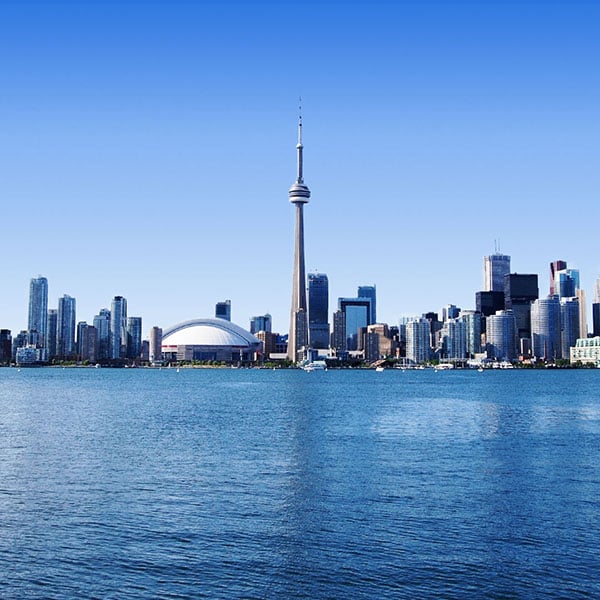
Toronto
Flights from Torontoto Dakar
845$
795$
Prime price per passenger
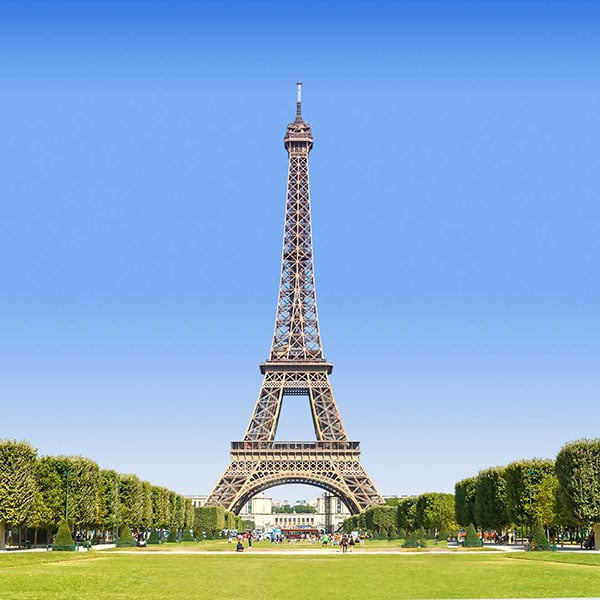
Paris
Flights from Paristo Dakar
733$
697$
Prime price per passenger
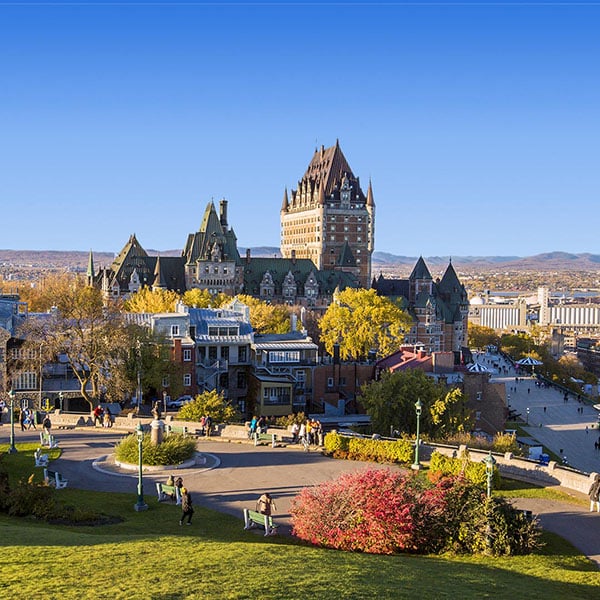
Quebec
Flights from Quebecto Dakar
1282$
1200$
Prime price per passenger
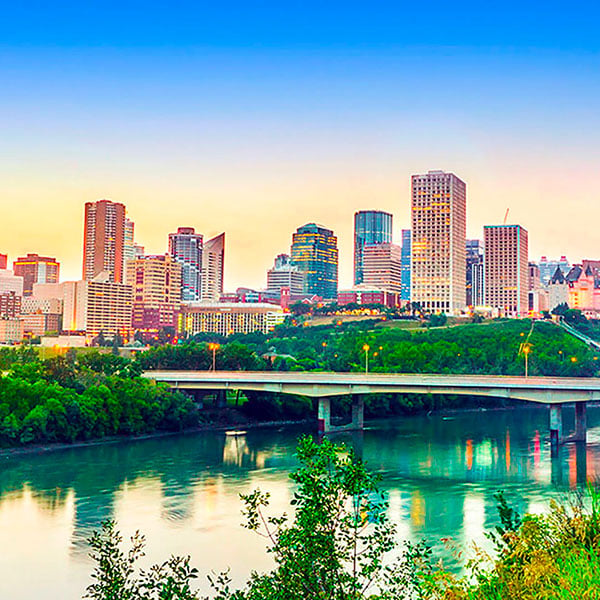
Edmonton
Flights from Edmontonto Dakar
1299$
1213$
Prime price per passenger
Ottawa
Flights from Ottawato Dakar
1129$
1046$
Prime price per passenger

How long is the flight to Dakar?

If you’re planning to fly to Dakar, we at eDreams have looked at the most popular routes to help you plan your trip. From Montreal, the flight is about 9h 54m; from Toronto, around 12h; and from Quebec, roughly 12h 18m.
Flight Time (in hours)
MontrealTorontoQuebecOttawaVancouver
0h 5h 10h 15h 20h
9h 54m
12h 0m
12h 18m
12h 52m
18h 4m

How much does a flight to Dakar cost?

At eDreams you can find flights from Montreal to Dakar starting from $383, with an average price of $957. If you depart from other cities such as Toronto, you can find tickets from $637, and from Vancouver starting from $990, according to data from the last 72 hours.
Filter by
MontrealTorontoVancouverQuebecCalgary
$957
$888
$1,256
$1,393
$1,316
MontrealCheapest
Cheapest Price: $383
Cheapest
Average

Find cheap flights to Dakar

Dakar is a major transit hub on the Cap-Vert Peninsula, and is the westernmost point of the African mainland. This coastal destination is a frequent arrival point for international flights, and is a central gateway for travellers exploring the broader region. The geography of the area provides a scenic introduction to the Atlantic coastline, where the urban landscape meets the ocean.

The city has several significant landmarks, such as the African Renaissance Monument, which towers over the skyline as a prominent bronze statue. Visitors often venture to the Plateau district to see colonial-era architecture or take a short boat journey to Gorée Island, a site of profound historical memory. Artistic expression is visible throughout the city, from the contemporary collections at the Musée des Civilisations Noires to the bustling stalls of Marché Sandaga.

A journey here reveals a city that has a lively atmosphere and deep-rooted musical traditions. The streets are often filled with the sounds of Mbalax music, and reflects a culture that values hospitality and communal life. Whether the purpose of the visit is historical discovery or coastal relaxation, the destination maintains a distinct character shaped by its maritime heritage and creative energy.

Best time to fly to Dakar: peak and off-peak times

High season in Dakar

Dakar experiences its peak season during the cooler, dry months from November to May. During this period, the city has pleasant temperatures ranging from 20°C to 25°C, accompanied by low humidity and clear skies. Travelers landing at Blaise Diagne International Airport are met with a refreshing breeze that makes exploring the coastal landscape comfortable throughout the day. The mild weather encourages an active outdoor lifestyle, with the streets and markets filled with residents and visitors alike.

The social calendar is at its most dense during these months, and is highlighted by major cultural gatherings like the Dak'Art Biennale. Art galleries, open-air concerts, and beachside festivals define the city's identity, drawing a global crowd to the shores of the Cap-Vert Peninsula. This is the prime time for surfing at Ngor Island or taking the ferry to Gorée Island, as the sea is calm and the sun is consistent. The pace of life is energetic yet sophisticated, and reflects the city’s status as a major West African cultural hub.

Low season in Dakar

The low season arrives with the rains from July to October, a period known locally as the hivernage. During these months, Dakar sees higher humidity and temperatures that often climb above 30°C. Sudden, heavy downpours transform the landscape, turning the surrounding Sahelian terrain into a lush, green environment. While the heat is more intense, the atmosphere in the city becomes more relaxed and intimate as the large crowds of the dry season thin out.

Daily life adjusts to the tropical rhythm, with many locals and many locals favour the cooler early mornings or late evenings for socialising. Visitors arriving during this time find a different side of the city's character, where the dramatic Atlantic storms provide a striking backdrop to the rugged coastline. Despite the rain, the sea remains warm, and the city maintains its warmth through indoor musical performances and a slower, more contemplative pace. This season offers a more authentic glimpse into the local routine away from the peak travel rush.

Airports in Dakar

Serving as the primary gateway for international arrivals, the modern aviation infrastructure here ensures that travellers landing on a flight to Dakar can easily transition from the coast to the heart of the capital. The city is currently served by one major international hub that replaced the older, centrally located airfield for commercial traffic.

Blaise Diagne International Airport (DSS)

Blaise Diagne International Airport, identified by the code DSS, is located approximately 45 km east of the city centre in the municipality of Diass. As the main hub for Air Senegal, it handles the vast majority of international and domestic flights to Dakar, featuring a large, modern terminal designed to accommodate several million passengers annually. The facility connects the region to major cities across Africa, Europe, and North America, functioning as a critical transit point for West African air travel.

Upon exiting the terminal, travellers can reach the city via the Regional Express Train (TER), which connects the airport area to the Dakar Railway Station in the Plateau district; a shuttle bus typically links the terminal to the nearby Diamniadio station. The journey by rail takes roughly 45 to 60 minutes. Alternatively, official airport taxis are available 24 hours a day, utilizing the A1 toll highway to reach central neighbourhoods like Almadies or Plateau in approximately 60 to 90 minutes, depending on traffic density. Several private shuttle companies and bus lines also operate regular services to the Blaise Diagne facility, providing reliable links to the capital's main commercial zones.

Top things to see and do in Dakar

Descending into Dakar provides an immediate sense of the city's coastal energy, where the Atlantic breeze meets a skyline that is defined by both modern ambition and deep-rooted history. Once on the ground, travellers find a city that greets them with the warmth of Teranga—the local philosophy of hospitality—and a sensory landscape of colourful markets and rhythmic percussion.

Île de Gorée is a tranquil, car-free island located just off the coast, where ochre-coloured colonial buildings and bougainvillea-lined streets contrast with its somber history as a former slave trading post. The island is a quiet space for reflection and offers a different pace of life than the mainland.

African Renaissance Monument towers over the city from one of its highest volcanic hills, and is the tallest statue on the continent. This massive bronze structure is a striking landmark that symbolises a forward-looking Africa and provides an expansive view of the peninsula.

Marché Sandaga is the frantic, beating heart of the city's commercial life, housed in a Sudanese-style building surrounded by endless stalls. It is an immersive environment where the scent of spices and the haggling over vibrant wax-print fabrics create a truly authentic local atmosphere.

Les Almadies marks the westernmost point of the African continent, offering a rugged shoreline where the waves of the ocean crash against volcanic rocks. The area is famous for its seaside stalls serving fresh seafood, and it is a popular spot to watch the sun set over the horizon.

Village des Arts is a sprawling complex where the city's creative spirit is on full display within the studios of local painters, sculptors, and photographers. Visitors can wander through the shared gardens and galleries to witness the contemporary art scene that makes this city a cultural capital.

Lake Retba, often called the Pink Lake, is a natural wonder located a short drive from the city centre, famous for its high salt content and strawberry-hued waters. When visitors watch the salt harvesters work against the backdrop of the vivid water, it provides a glimpse into a unique and ancient local industry.

Start planning your trip to Dakar

Comparing different airlines and travel times via the eDreams search filters is the simplest way to find a flight to Dakar that fits your schedule. Frequent flyers might also consider the added value of eDreams Prime, which provides access to reduced fares and member-only benefits to make every trip to the coast more rewarding.

FAQs about Dakar flights

What's the best way to search for low-cost flights to Dakar using eDreams?
We can help you find flights to Dakar for as little as $ 168. Our smart technology scours thousands of flight options to create great offers, ensuring you can find the ideal flight for your needs and budget. With eDreams, finding the perfect flight for your trip is simple and straightforward.
When is the ideal time of year to visit Dakar?
According to our flight data, the most popular month for traveling to Dakar is March.
Another good time to fly to Dakar is in February, which is the second most popular month for travelers.
Lastly, April is the third most-visited month for flights to Dakar.
For a more relaxed trip with fewer crowds, consider flying to Dakar in November. This is the month with the lowest demand for flights, ensuring a more tranquil atmosphere.
What are the cheapest airlines for flying to Dakar?

Our analysis of customer bookings for flights to Dakar shows that these budget airlines are among the best for finding affordable fares:

  • The average one-way ticket with Air Transat is $1,491.81. You can fly from Montreal to Dakar for about $1516, or from Toronto for a fare of $1854.
  • You can find great deals with Royal Air Maroc, which has an average one-way fare of $1,709.76. For instance, a flight from Montreal to Dakar is priced at around $1872, while the cost from Toronto is about $1905.
  • Ranking third for affordable one-way flights, TAP Portugal offers an average ticket price of $1,777.97. You can expect to pay about $1855 for a flight from Montreal to Dakar, and around $2210 for a flight from Halifax.
Which airlines operate flights to Dakar?

The following airlines offer non-stop flights to Dakar:

  • You can fly directly to Dakar with Air Senegal from Montreal and Paris. They also have direct service from Abidjan.
  • You can get a direct flight to Dakar with Air Transat from Conakry, Abidjan, and Casablanca. This airline provides easy and convenient service from these popular locations.
  • You can fly to Dakar with Royal Air Maroc from Abidjan and Bordeaux. This airline also provides flights from Marseille.

You can also consider these airlines for flights to Dakar with one or more stops:

  • You can fly to Dakar with Turkish Airlines from a number of cities, including Montreal, Paris, and Toronto.
  • You can find flights to Dakar with Royal Air Maroc departing from Montreal, Toronto, and New York City.
  • Lastly, you can travel to Dakar with TAP Portugal from a variety of departure points, such as Quebec, Montreal, and Moncton.
How many airports are in Dakar and which is the main one?
Dakar has 1 airport. Blaise Diagne International Airport operates flights to domestic and international destinations to 9 cities. Some of the most popular destinations are Montreal, Conakry and Bamako.

Plan your trip

Popular CitiesPopular Flight RoutesAlternate routes