eDreams is now available in the following countries:
Europe

Asia
Oceania
America
Africa
Or you can visit ourglobal site
Book flights to Kabul
Flights
Hotels
Flight + Hotel
Car rental
Date
Date
1

We are proud to be a BBB® Accredited Business
Explore the best deals
Discover the cheapest flights to Kabul
Filter by
Tue, Nov 17 - Sat, Nov 21

FlydubaiDirect
Dubai - Kabul
FlydubaiDirect
Kabul - Dubai
565$
537$
Wed, Dec 23 - Sun, Dec 27

Etihad AirwaysDirect
Medinah - Kabul
Etihad AirwaysDirect
Kabul - Medinah
864$
812$
Tue, Dec 1 - Sun, Dec 6
Etihad AirwaysDirect
Jeddah - Kabul
Etihad AirwaysDirect
Kabul - Jeddah
900$
846$
Wed, Dec 23 - Sat, Dec 26
Etihad AirwaysDirect
Jeddah - Kabul

EmiratesDirect
Kabul - Jeddah
1191$
1120$
Sun, Nov 29 - Mon, Dec 7
Etihad AirwaysDirect
Jeddah - Kabul
EmiratesDirect
Kabul - Jeddah
1302$
1263$
Tue, Jan 5 - Fri, Jan 8

Turkish AirlinesDirect
Seattle, WA - Kabul
Turkish AirlinesDirect
Kabul - Seattle, WA
2341$
2162$
Wed, Nov 25
FlydubaiDirect
Dubai - Kabul
260$
245$
Thu, Dec 10
Etihad AirwaysDirect
Paris - Kabul
593$
554$
Sat, Jan 9
Turkish AirlinesDirect
Istanbul - Kabul
608$
578$
Mon, Jan 4
FlydubaiDirect
Istanbul - Kabul
684$
650$
Thu, Nov 12

EgyptairDirect
Arbil - Kabul
752$
713$
Thu, Dec 17
Turkish AirlinesDirect
Toronto - Kabul
1683$
1603$
The prices shown on this page were available within the last 20 days for the specified periods and should not be considered the final price offered. Please note that availability and prices are subject to change.
Popular flight routes to Kabul
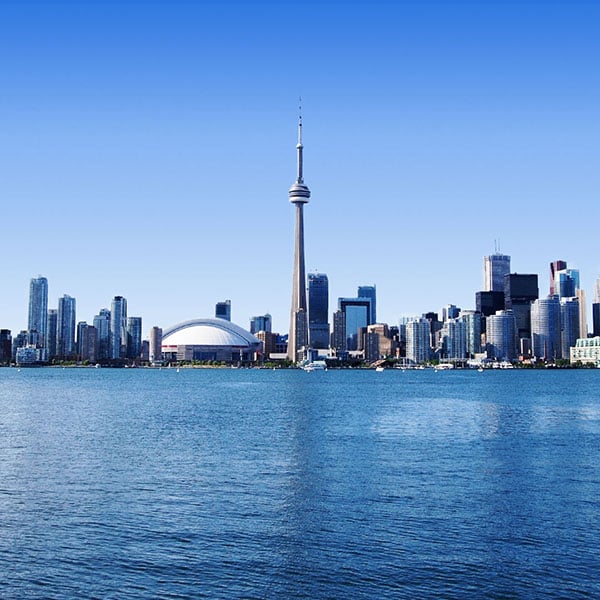
Flights from Torontoto KabulPrime price per passenger
1724$
1664$

Flights from Dubaito KabulPrime price per passenger
257$
242$

Flights from Delhito KabulPrime price per passenger
468$
445$
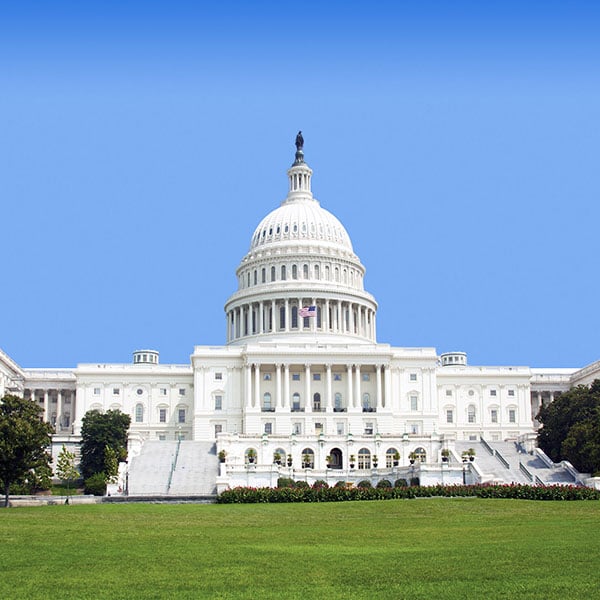
Flights from Washington, D.C.to KabulPrime price per passenger
928$
868$
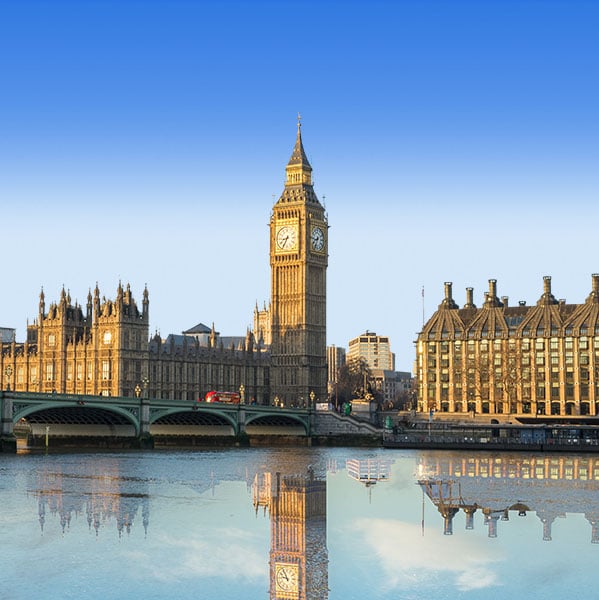
Flights from Londonto KabulPrime price per passenger
1417$
1333$
How long is the flight to Kabul?
If you’re planning to fly to Kabul, we at eDreams have looked at the most popular routes to help you plan your trip. From Montreal, the flight is about 14h 37m; from Toronto, around 15h 41m; and from Calgary, roughly 17h 54m.Flight Time (in hours)
MontrealTorontoCalgarySt John'sVancouver
How much does a flight to Kabul cost?
At eDreams you can find flights from Calgary to Kabul starting from $1,160, with an average price of $2,181. If you depart from other cities such as Toronto, you can find tickets from $1,303, and from Montreal starting from $1,420, according to data from the last 72 hours.Filter by
CalgaryTorontoMontrealVancouverOttawa
CalgaryCheapest
Cheapest Price: $1,160CheapestAverage
FAQs about Kabul flights
What's the best way to search for low-cost flights to Kabul using eDreams?
We can help you find flights to Kabul for as little as $ 245. Our smart technology scours thousands of flight options to create great offers, ensuring you can find the ideal flight for your needs and budget. With eDreams, finding the perfect flight for your trip is simple and straightforward.
When is the ideal time of year to visit Kabul?
According to our flight data, the most popular month for traveling to Kabul is March.
Another good time to fly to Kabul is in February, which is the second most popular month for travelers.
Lastly, April is the third most-visited month for flights to Kabul.
For a more relaxed trip with fewer crowds, consider flying to Kabul in November. This is the month with the lowest demand for flights, ensuring a more tranquil atmosphere.
What are the cheapest airlines for flying to Kabul?
Our analysis of customer bookings for flights to Kabul shows that these budget airlines are among the best for finding affordable fares:
- The average one-way ticket with Etihad Airways is $2,307.71. You can fly from Toronto to Kabul for about $2,305.98, or from St John's for a fare of $2,649.98.
- You can find great deals with Turkish Airlines, which has an average one-way fare of $2,388.86. For instance, a flight from Toronto to Kabul is priced at around $2,356.17, while the cost from Montreal is about $2,450.97.
- Ranking third for affordable one-way flights, Porter Airlines offers an average ticket price of $2,575.72. You can expect to pay about $2,575.72 for a flight from Toronto to Kabul, and around $2,773.07 for a flight from Vancouver.
Which airlines operate flights to Kabul?
You can also consider these airlines for flights to Kabul with one or more stops:
- You can fly to Kabul with Turkish Airlines from a number of cities, including Seattle, WA, Toronto, and Vancouver.
- You can find flights to Kabul with Emirates departing from Vancouver, Toronto, and Montreal.
- Lastly, you can travel to Kabul with Etihad Airways from a variety of departure points, such as Toronto, Kuala Lumpur, and Halifax.
What's a realistic budget for a trip to Kabul?
When preparing your budget for a trip to Kabul, consider these average prices for dining and beverages:
- Affordable Dining: $3.86
- Moderate Dining: $13.40
- Cheap Restaurant: $7.51
- Local Beer: $3.43
- Imported Beer: $2.57
- Coffee: $1.43
- Soft Drinks: $0.54
- Bottled Water: $0.21
Plan your trip
Popular CitiesPopular Flight RoutesAlternate routes
- Flights to Istanbul
- Flights to Toronto
- Flights to Jeddah
- Flights to Dushanbe
- Flights to Vancouver
- Flights to Dubai
- Flights to Delhi
- Flights to Tokyo
- Flights to London
- Flights to Montreal
- Flights to Abu Dhabi
- Flights to Tashkent
- Flights to Medinah
- Flights to Islamabad
- Flights to Male
- Flights to Nairobi
- Flights to Urgun
- Flights to Bagram
- Flights to Shank
- Flights to Gardez
- Flights to Parachinar
- Flights to Jalalabad
- Flights to Bamyan
- Flights to Sardeh Band