eDreams is now available in the following countries:
Europe

Asia
Oceania
America
Africa
Or you can visit ourglobal site
Book flights to Lahore
Flights
Hotels
Flight + Hotel
Car rental
Date
Date
1

We are proud to be a BBB® Accredited Business
Explore the best deals
Discover the cheapest flights to Lahore
Filter by
Sat, Dec 19 - Thu, Dec 24

AirArabia JordanDirect
Islamabad - Lahore
AirArabia JordanDirect
Lahore - Islamabad
-19 % Prime price per passenger
115$
93$
Sun, Jan 17 - Wed, Jan 20
AirArabia JordanDirect
Karachi - Lahore
AirArabia JordanDirect
Lahore - Karachi
221$
201$
Tue, Jan 12 - Mon, Jan 18
AirArabia JordanDirect
Karachi - Lahore
AirArabia JordanDirect
Lahore - Karachi
-11 % Prime price per passenger
228$
202$
Thu, Dec 10 - Sun, Dec 13
AirArabia JordanDirect
Karachi - Lahore
AirArabia JordanDirect
Lahore - Karachi
259$
237$
Sun, Jan 31 - Fri, Feb 5

Gulf AirDirect
Doha - Lahore
Gulf AirDirect
Lahore - Doha
444$
422$
Fri, Nov 27 - Fri, Dec 4

Riyadh AirDirect
Riyadh - Lahore
Riyadh AirDirect
Lahore - Riyadh
496$
471$
Sun, Dec 27

FlynasDirect
Medinah - Lahore
254$
231$
Thu, Nov 26
AirArabia JordanDirect
Sharjah - Lahore
259$
238$
Tue, Dec 8

Air ArabiaDirect
Medinah - Lahore
287$
270$
Mon, Jan 18
Gulf AirDirect
Jeddah - Lahore
318$
309$
Mon, Jan 11
Gulf AirDirect
Jeddah - Lahore
344$
335$
Sun, Jan 31
Air ArabiaDirect
Rome - Lahore
471$
453$
The prices shown on this page were available within the last 20 days for the specified periods and should not be considered the final price offered. Please note that availability and prices are subject to change.
Popular flight routes to Lahore
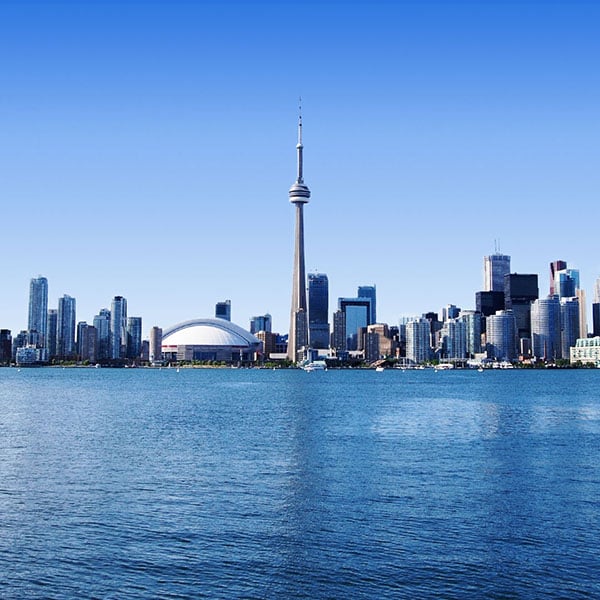
Flights from Torontoto LahorePrime price per passenger
1615$
1549$

Flights from Calgaryto LahorePrime price per passenger
1121$
1032$

Flights from Montrealto LahorePrime price per passenger
1178$
1108$

Flights from Vancouverto LahorePrime price per passenger
1295$
1242$

Flights from Edmontonto LahorePrime price per passenger
1583$
1516$
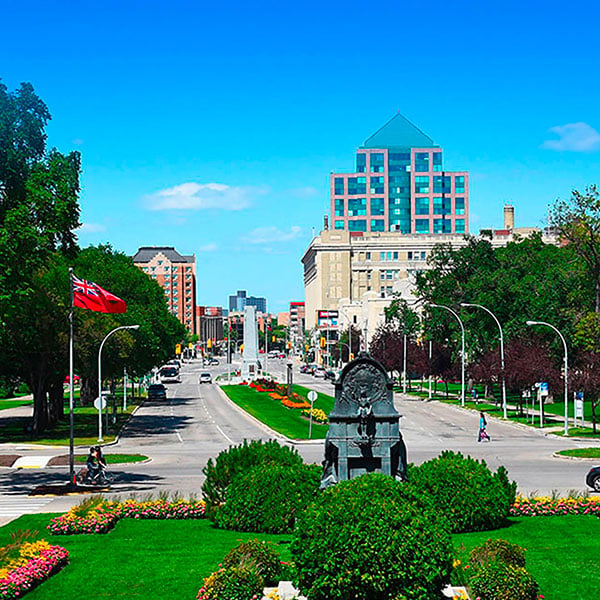
Flights from Winnipegto LahorePrime price per passenger
2940$
2775$


How long is the flight to Lahore?
If you’re planning to fly to Lahore, we at eDreams have looked at the most popular routes to help you plan your trip. From Montreal, the flight is about 15h 43m; from Toronto, around 17h 19m; and from Calgary, roughly 18h 36m.Flight Time (in hours)
MontrealTorontoCalgaryWinnipegVancouver
How much does a flight to Lahore cost?
At eDreams you can find flights from Calgary to Lahore starting from $890, with an average price of $1,171. If you depart from other cities such as Montreal, you can find tickets from $956, and from Toronto starting from $960, according to data from the last 72 hours.Filter by
CalgaryMontrealTorontoOttawaVancouver
CalgaryCheapest
Cheapest Price: $890CheapestAverage
FAQs about Lahore flights
What's the best way to search for low-cost flights to Lahore using eDreams?
We can help you find flights to Lahore for as little as $ 93. Our smart technology scours thousands of flight options to create great offers, ensuring you can find the ideal flight for your needs and budget. With eDreams, finding the perfect flight for your trip is simple and straightforward.
When is the ideal time of year to visit Lahore?
According to our flight data, the most popular month for traveling to Lahore is March.
Another good time to fly to Lahore is in February, which is the second most popular month for travelers.
Lastly, April is the third most-visited month for flights to Lahore.
For a more relaxed trip with fewer crowds, consider flying to Lahore in November. This is the month with the lowest demand for flights, ensuring a more tranquil atmosphere.
What are the cheapest airlines for flying to Lahore?
Our analysis of customer bookings for flights to Lahore shows that these budget airlines are among the best for finding affordable fares:
- The average one-way ticket with Saudi Arabian Airlines is $1,979.21. You can fly from Toronto to Lahore for about $1,979.06, or from Montreal for a fare of $2208.
Which airlines operate flights to Lahore?
The following airlines offer non-stop flights to Lahore:
- You can fly directly to Lahore with AirArabia Jordan from Doha and Sharjah. They also have direct service from Dubai.
- You can get a direct flight to Lahore with China Southern Airlines from Karachi, Sharjah, and Dubai. This airline provides easy and convenient service from these popular locations.
You can also consider these airlines for flights to Lahore with one or more stops:
- You can fly to Lahore with Etihad Airways from a number of cities, including Toronto, Saskatoon, and Winnipeg.
- You can find flights to Lahore with Emirates departing from Toronto, Montreal, and New York City.
- Lastly, you can travel to Lahore with Qatar Airways from a variety of departure points, such as Toronto, Vancouver, and Calgary.
How many airports are in Lahore and which is the main one?
Lahore has 1 airport.
Allama Iqbal International Airport operates flights to domestic and international destinations to 7 cities.
Some of the most popular destinations are Kuala Lumpur, London and Toronto.
What's a realistic budget for a trip to Lahore?
When preparing your budget for a trip to Lahore, consider these average prices for dining and beverages:
- Affordable Dining: $2.93
- Moderate Dining: $24.42
- Cheap Restaurant: $7.33
- Local Beer: $4.88
- Imported Beer: $7.33
- Coffee: $3.46
- Soft Drinks: $0.58
- Bottled Water: $0.37
Plan your trip
Alternate routesPopular CitiesPopular Flight Routes